With
shipbuilding having by then denuded our forests of that primary shipbuilding
material, English Oak, Nile was built largely from West African
Hardwoods and copper fastened. The rich dark golden brown of her ornamental
woodwork contrasted markedly with the rather dismal oak built ships. While
the purpley-black rock-hard shiney planking of her lower gun deck was
another particularly striking feature, the suitability of the timbers
used speaks for itself. Of her two sisters was reduced to a hulk in 1873 and used as a depot ship at Zanzibar
during the Suppression of the Slave Trade, while Rodney was broken
up in 1882, (Navy
List)
But Nile
as 'HMS Conway' was still on the Mersey in May1941, when, in order
to escape the Liverpool bombing during WWII she was moved under tow to
a mooring off Bangor in the northeastern entrance to the Menai Strait.
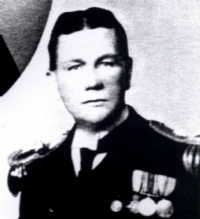
This, together with the period from 1934 is amply described by Captain
Goddard (Pdf).
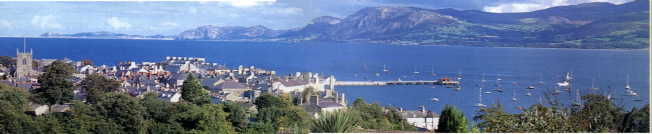
Northeastern entrance to the Menai
Strait.
With
the cessation of hostilities the obvious course of action would have been
to have returned to the Mersey, but it was also the opportunity to review
the future of the school more generally. The ship was already 115 years
old, she hadn't been dry-docked in fifteen years and who knows what the
surveyor might have found. Capt G D Pari-Huws[9]:
"The ship wasn't going to last forever and there was no suitable
replacement. Sooner or later the Establishment would be forced into making
the move ashore."
Five miles down the
strait, Plas Newydd, an imposing 16th century waterside mansion substantially
rebuilt in the style of the Gothic Revival during the 1790's, and the
family seat of the Marques of Anglesey, had lain largely empty since its
wartime occupation by the United States Intelligence Corps. Here was not
only magnificent accomodation for an extra 100 boys and a splendid
coach house block which would readily convert
Capt TM Goddard RNR
into classrooms, but
all the sports grounds. playing fields, gymnasium, tennis courts, swimming
pool and so on which the schoolship had great difficulty finding within
reasonable proximity in the past.
All were here within the perimeter wall.There
was even a boat dock with its own right-round-the-tide slipway
to provide constant contact with
the ship and a suitable spot where she could be moored close by, while the
swift running tides promised excellent experience for the boat crews, and
all in a magnificent setting which together with
the grand old ship would leave Conway a pre-sea training school not
remotely equalled anywhere in the world. So eminantly suitable that they
would
never be likely to find its equal again, Plas Newydd represented an opportunity
not to be missed.
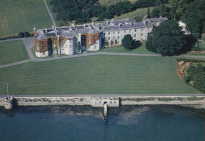
Plas Newydd.
But
was it possible to get the ship there? Between Plas Newydd and her Bangor
mooring lies the short stretch of water separating Thomas Telford's Suspension
Bridge from Robert Stephenson's Britannia railway bridge which is ominously
known as 'The Swellies'. Here, the brief navigable period of slack water
which oddly occurs while the tide is still rising is bracketed between swift
running tides which generate powerful whirlpools and eddies among the numerous
rocks and shoals, making it one of the most uninviting stretches of water
around the British coast. Moreover, no ship remotely resembling Conway's
22 ft. draft has ever passed through The Swellies either before or since.[11]